Physical Address
304 North Cardinal St.
Dorchester Center, MA 02124
Physical Address
304 North Cardinal St.
Dorchester Center, MA 02124
The landscape of digital cinema is rapidly evolving, driven by unprecedented technological advancements and shifting viewer preferences. As we dive into the latest trends shaping the future of filmmaking, it’s clear that the boundaries of storytelling are being pushed further than ever before.
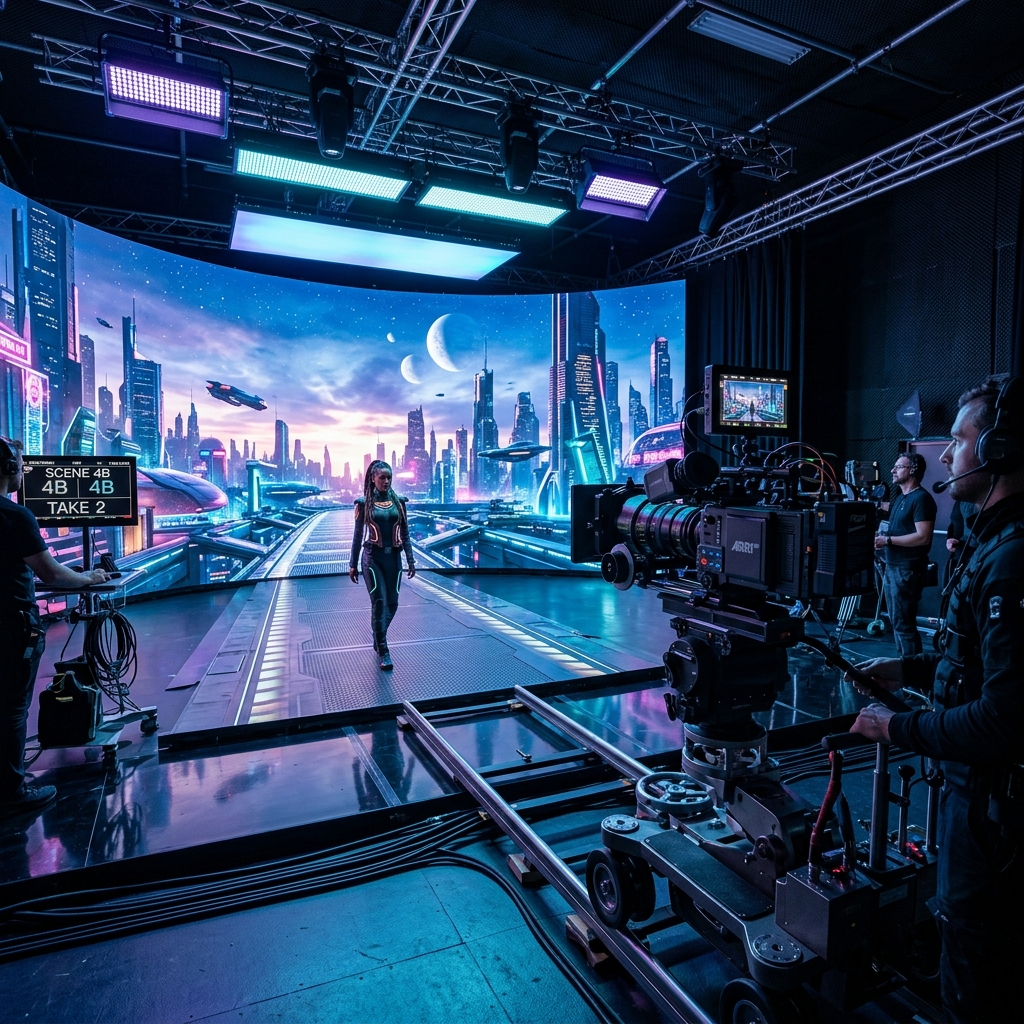
One of the most significant trends is the rise of virtual production. Pioneered by groundbreaking projects over the last few years, virtual production uses enormous LED walls and real-time game engines (like Unreal Engine) to create immersive, in-camera visual effects. This technique allows filmmakers to visualize complex environments during the shoot rather than waiting for post-production, drastically reducing costs and enhancing creative control on set.
Additionally, artificial intelligence is making its mark across all stages of production. From script analysis to editing, AI tools are streamlining workflows. Algorithms can now generate realistic visual effects, upscale archival footage to 4K or 8K resolution, and even assist in color grading, empowering independent filmmakers to achieve blockbuster-level quality on smaller budgets.
High Frame Rate (HFR) and 8K resolution are also gaining traction, offering audiences hyper-realistic viewing experiences. While HFR has faced mixed reactions in the past, its selective use in action sequences provides unparalleled clarity and fluidity, drawing viewers deeper into the narrative.
Furthermore, cloud-based collaboration has become an industry standard. The shift towards remote work has accelerated the adoption of secure, cloud-based platforms for editing, rendering, and reviewing footage. This globalization of the post-production process means that the best talent from around the world can seamlessly collaborate on a single project in real time.
In conclusion, the digital cinema revolution is not just about sharper images; it’s about expanding the toolkit available to storytellers. As virtual production, AI, HFR, and cloud collaboration become mainstream, filmmakers are empowered to bring their most ambitious visions to life with unprecedented efficiency and realism.