Physical Address
304 North Cardinal St.
Dorchester Center, MA 02124
Physical Address
304 North Cardinal St.
Dorchester Center, MA 02124

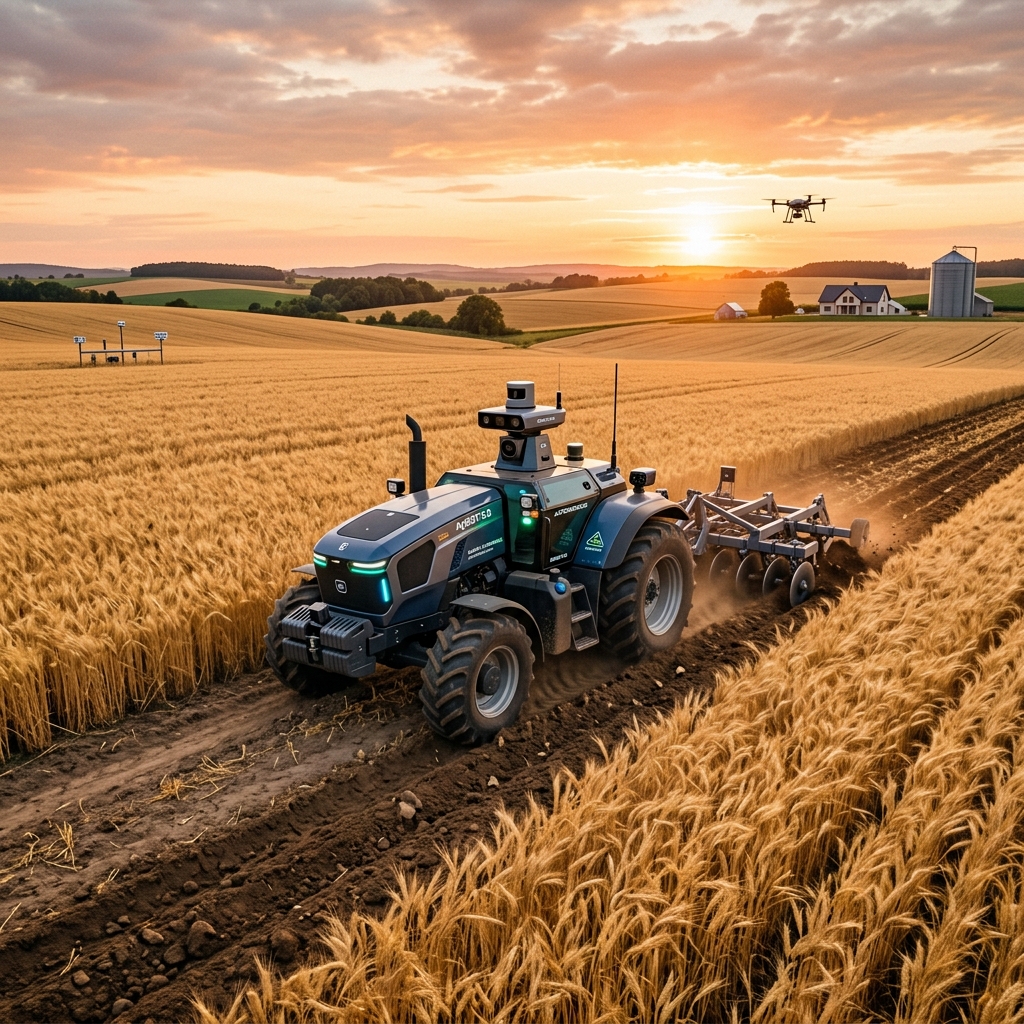
The agricultural sector is undergoing a profound transformation, driven by the rapid integration of robotics and artificial intelligence. As the global population continues to grow and the demand for food increases, traditional farming methods are being pushed to their limits. In response, farmers and technologists are turning to advanced robotics to ensure sustainable and efficient crop production.
One of the most significant breakthroughs in agricultural robotics is the development of autonomous tractors and harvesters. These massive machines can operate around the clock with pinpoint accuracy, using GPS and advanced sensors to plow fields, plant seeds, and harvest crops without human intervention. This not only reduces labor costs but also minimizes soil compaction and optimizes resource usage.
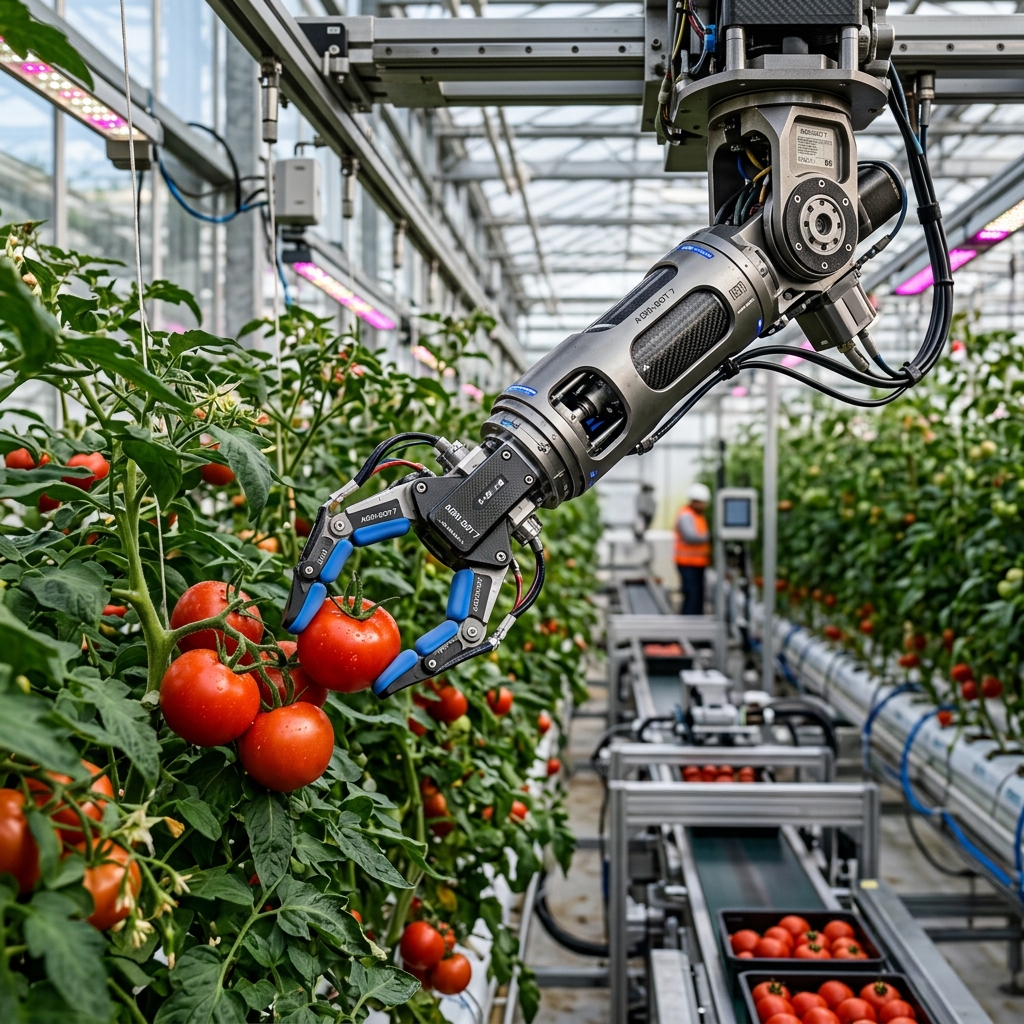
In addition to heavy machinery, precision agriculture is benefiting from delicate, highly specialized robotic systems. For instance, advanced robotic arms equipped with computer vision are now being used in high-tech greenhouses. These systems can identify ripe fruits and vegetables, such as tomatoes or strawberries, and harvest them with a gentle touch, significantly reducing food waste and addressing labor shortages in delicate harvesting tasks.
Furthermore, the skies above our farms are becoming increasingly populated with agricultural drones. These flying robots offer a bird’s-eye view of vast fields, utilizing multispectral imaging to monitor crop health, detect pests, and assess water needs.
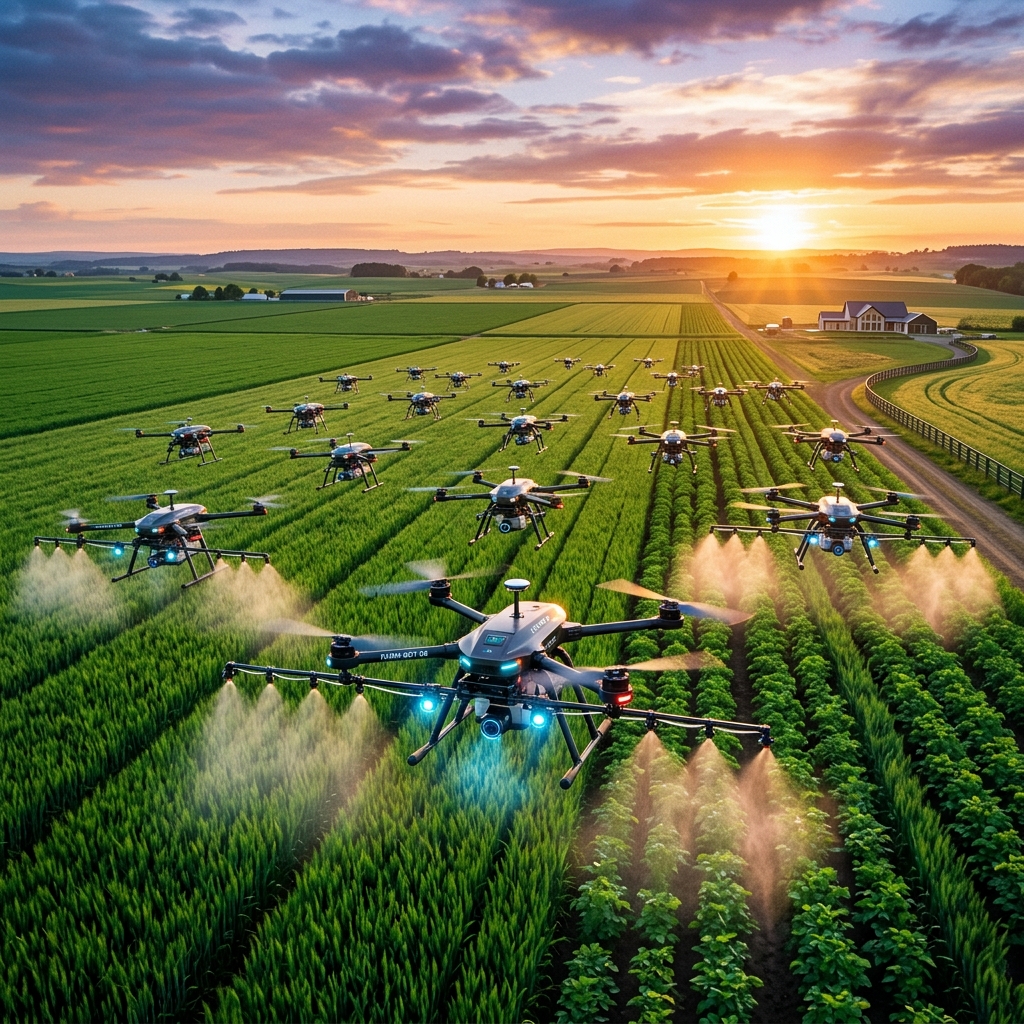
More advanced drone swarms are even capable of targeted spraying, applying fertilizers and pesticides only exactly where needed. This level of precision drastically reduces chemical runoff, lowering environmental impact while maximizing yields.
In conclusion, the rise of robotics in agriculture represents a crucial step towards food security in the 21st century. By embracing these intelligent machines, we are paving the way for a more sustainable, efficient, and resilient global food system.