Physical Address
304 North Cardinal St.
Dorchester Center, MA 02124
Physical Address
304 North Cardinal St.
Dorchester Center, MA 02124
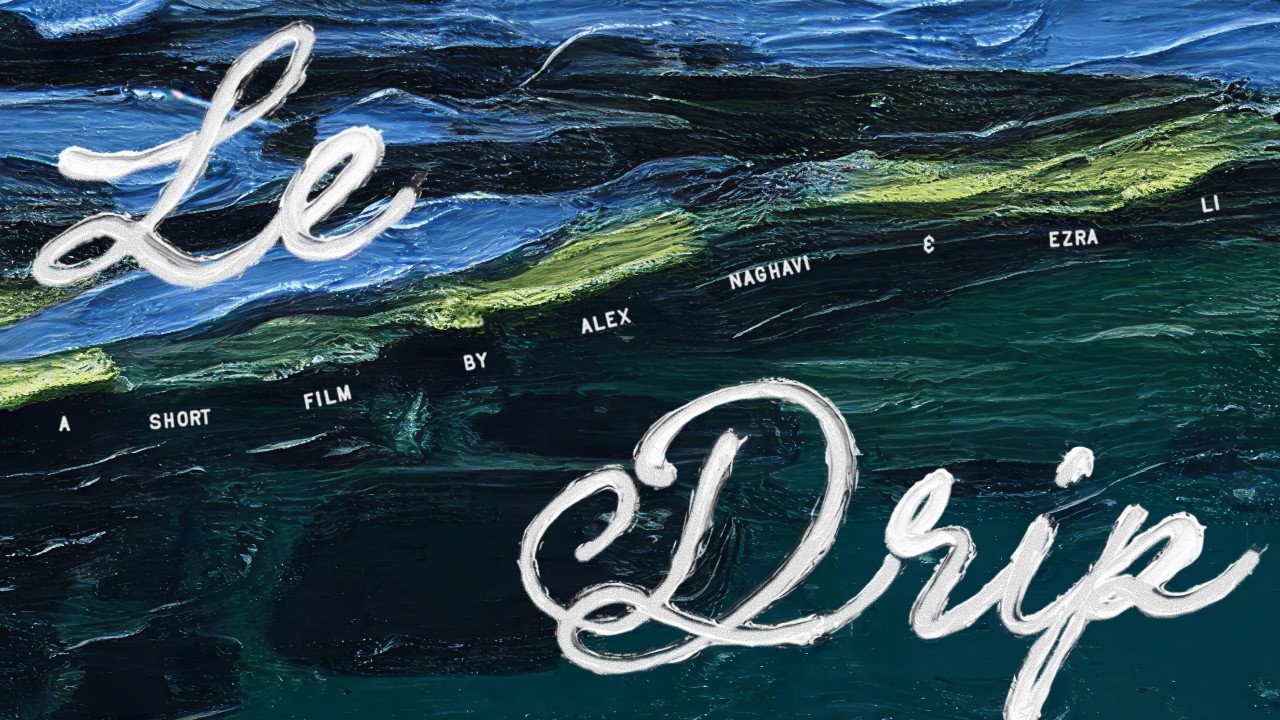
Generative AI cinema often prioritizes flashy spectacle over narrative substance, Alex Naghavi and Ezra Li’s award-winning short film Le Drip offers a refreshingly intimate, darkly comedic alternative. Running just under five minutes, this French-language existential fable proves that algorithmic tools work best when anchored by sharp writing, deliberate art direction, and an unmistakably human soul.
Based on a story concept by Jessie Hughes and scripted by Li, the film centers on an absurd yet strangely poignant premise: a fish lying in a kitchen sink, ready to embrace death, is kept stubbornly alive by a rhythmically dripping faucet. As life continues outside the window in a sun-drenched Mediterranean harbor town, the sink becomes a theatrical stage for a theological standoff.
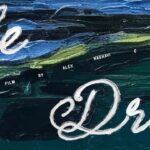
Visually, Le Drip is a triumph of aesthetic restraint. Made through a node-based workflow in Flora alongside tools like Runway and Seedance, the animation unfolds as a series of living oil paintings. Thick, expressive brushstrokes and rich coastal lighting give the mundane kitchen environment a tactile warmth that avoids the sterile gloss typical of AI-generated video.
Equally vital is the soundscape and voice work. Rather than relying on text-to-speech synthesis, Li recorded a raw vocal performance—later shaped with ElevenLabs—that captures every ounce of theatrical gravitas, panic, and weary acceptance. Ultimately, the fish’s journey from outrage to quiet gratitude turns a one-note joke into a resonant meditation on mortality and grace. Le Drip doesn’t just showcase what AI tools can render; it demonstrates how thoughtful directors can bend those tools toward genuine cinema.