Physical Address
304 North Cardinal St.
Dorchester Center, MA 02124
Physical Address
304 North Cardinal St.
Dorchester Center, MA 02124

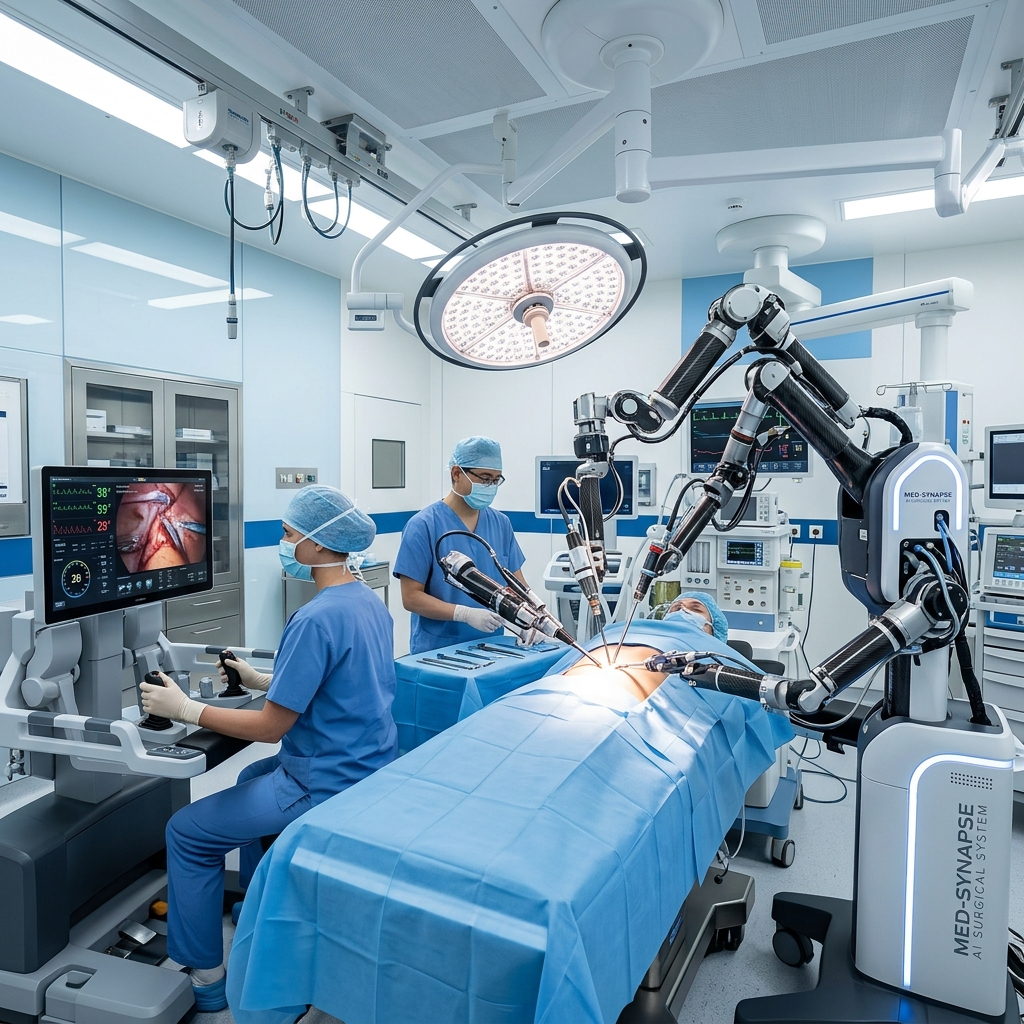
The integration of robotics into modern medicine is rapidly redefining the boundaries of healthcare, ushering in an era of unprecedented precision, safety, and personalized treatment. From the operating room to rehabilitation centers, intelligent machines are transforming the way medical professionals diagnose, treat, and care for patients around the world.
At the forefront of this revolution are advanced surgical robots. These highly sophisticated systems allow surgeons to perform complex procedures with remarkable minimally invasive precision. By translating the surgeon’s hand movements into smaller, steadier actions of robotic instruments inside the patient’s body, these systems significantly reduce trauma, minimize scarring, and drastically shorten patient recovery times.
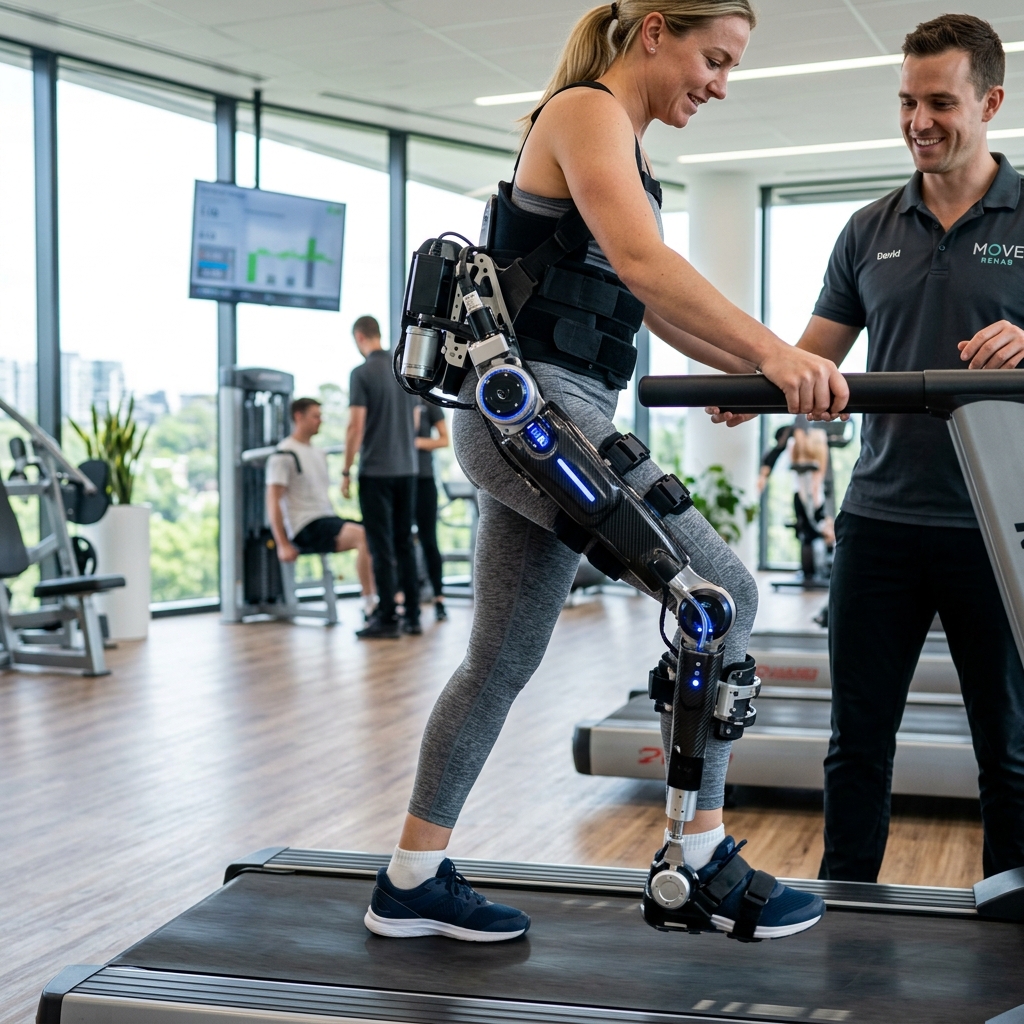
Beyond the surgical theater, robotics is making profound strides in physical therapy and rehabilitation. Robotic exoskeletons are now being utilized to assist patients recovering from spinal cord injuries, strokes, or severe trauma. These wearable devices provide targeted mechanical support, enabling patients to stand, walk, and rebuild their muscle strength much faster than traditional therapy methods.
Looking toward the near future, the most exciting frontier of medical robotics operates on a microscopic scale. Researchers are actively developing nanobots—tiny machines capable of navigating the human bloodstream.
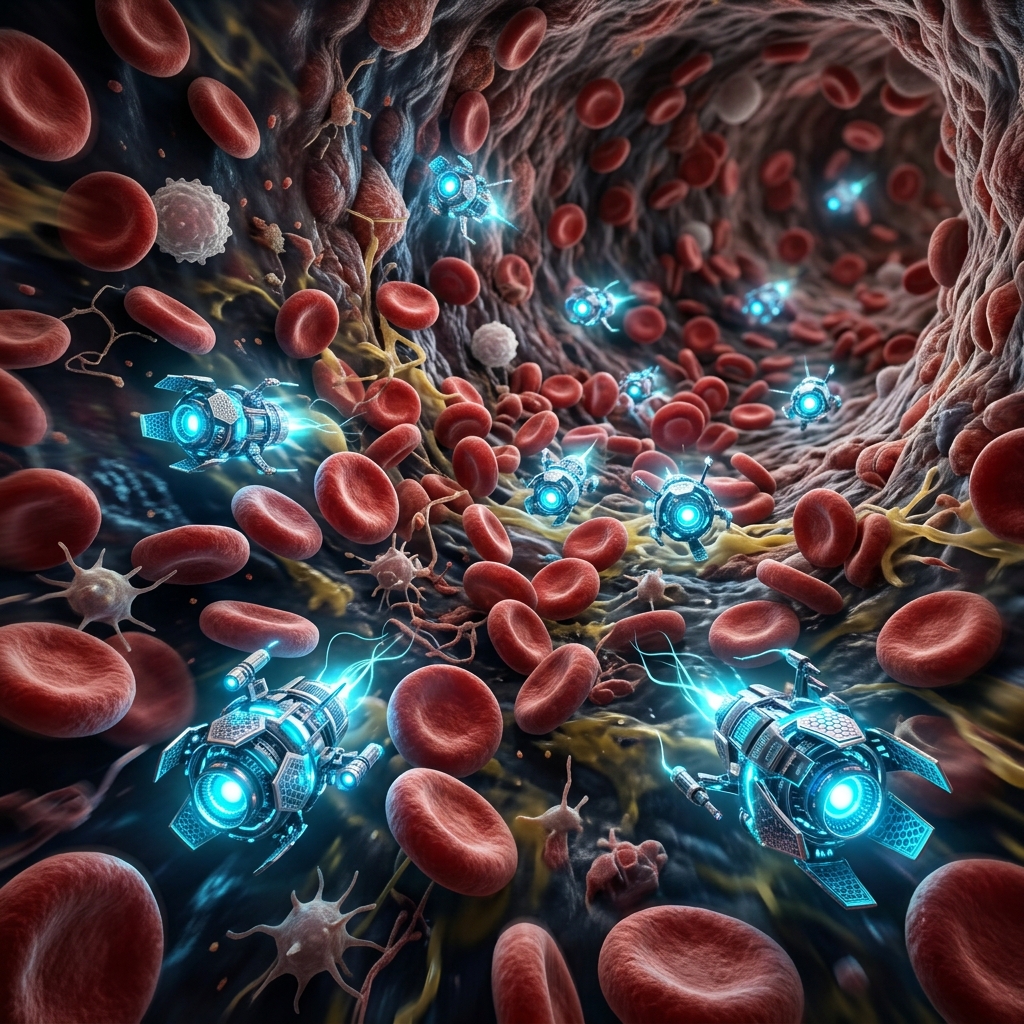
These microscopic marvels hold the potential to deliver targeted drug therapies directly to diseased cells, perform cellular-level repairs, and break down arterial blockages from within, all without the need for invasive surgery.
In conclusion, the application of robotics in medicine is not merely a futuristic concept, but a present-day reality that is continually expanding. As these technologies become more accessible and advanced, they promise to elevate the standard of care, ensuring better outcomes and a higher quality of life for patients globally.